The Long Table

Sized for the dinner you actually cook.

Two Tone Kitchen Ideas: Sage and Cream Cabinets with Brass
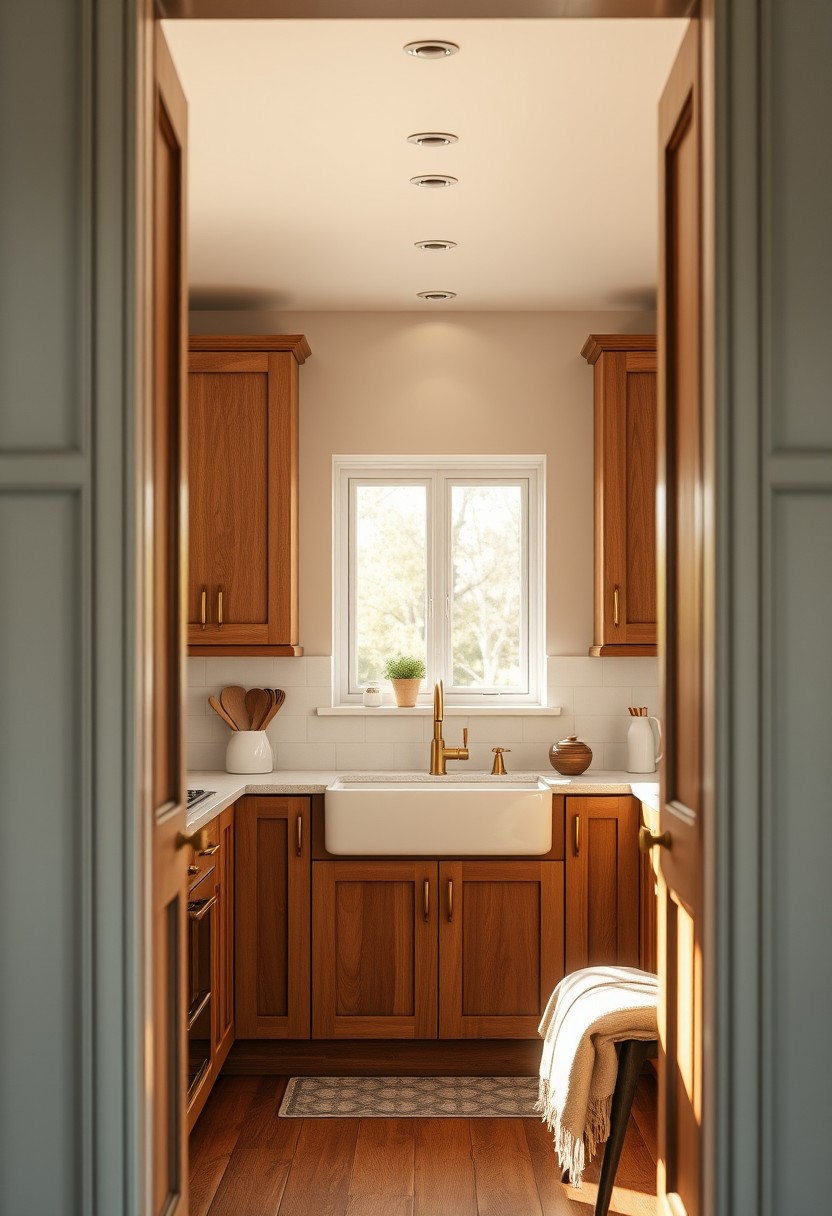
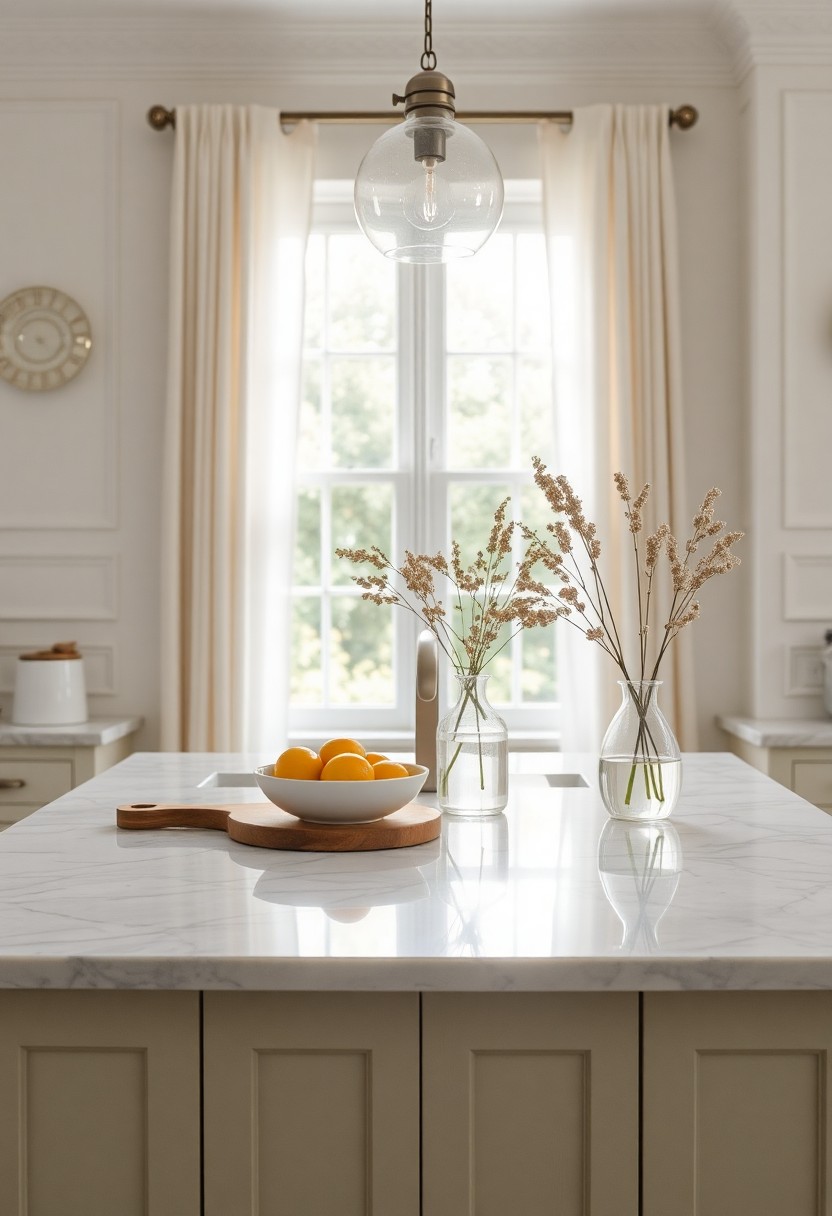
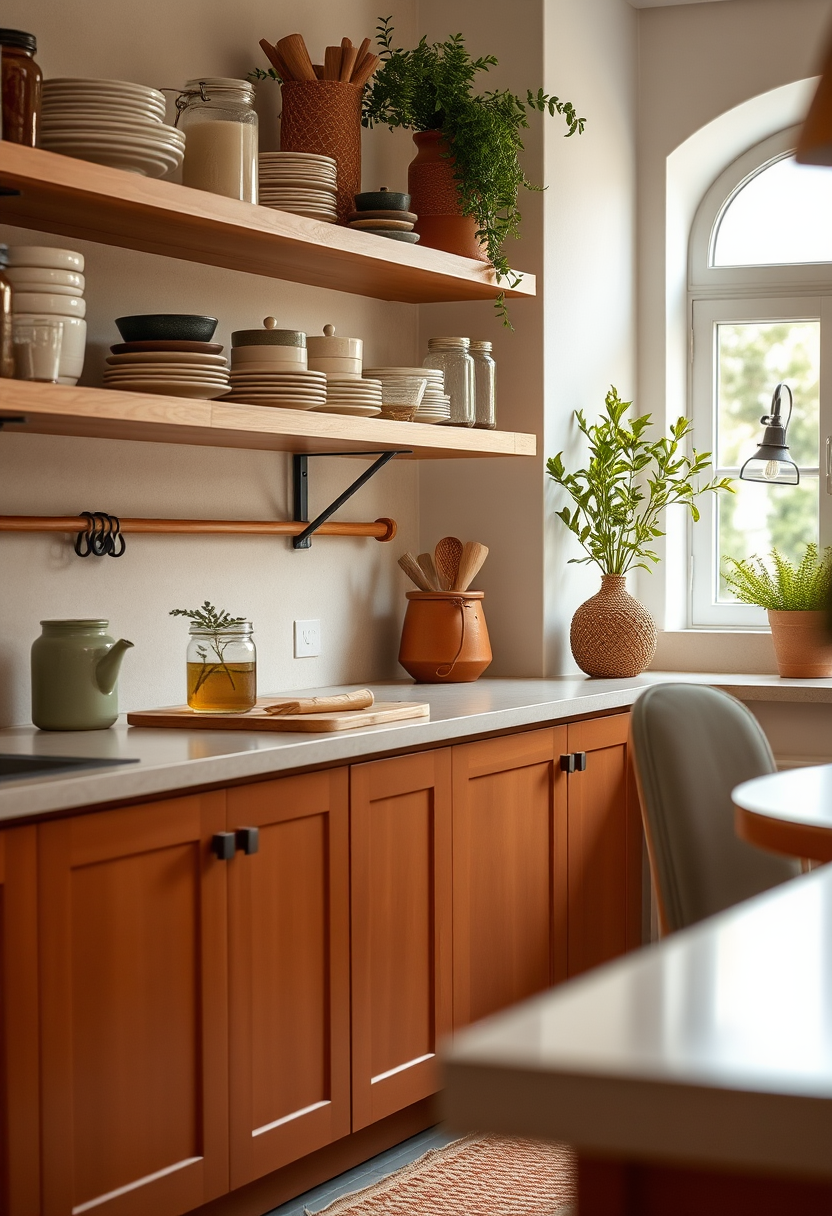
Sage-painted lower cabinets and cream uppers anchored by an oak butcher block countertop, brass cabinet pulls, a brass dome pendant over the island, and oak floating shelves on the back wall.

Kitchen · Two-Tone

Two Tone Kitchen Ideas: Sage and Cream Cabinets with Brass

Splitting your cabinets into sage lowers and cream uppers adds real weight to a kitchen without a gut job — the colour does the work a renovation would.

Below: the four-colour palette, six shoppable pieces from sage cabinet paint to oak floating shelves, and a five-step plan you can spread across two weekends.

As an Amazon Associate I earn from qualifying purchases. Every figure here comes from a listing, a manufacturer or a named source — never from memory. Links may earn a commission; it has never decided a verdict.

Shop This Look on Amazon 6 pieces · view each on Amazon

Shop the look

6 pieces

Each piece was chosen to match the exact feel of the room above — the materials, the light, and a palette that holds together. Tap through for current options and prices on Amazon.

S

Sage Green Cabinet Paint

Everything starts with the lowers. A satin-finish sage in a water-based formula is what you want — satin handles kitchen grease better than matte but still looks soft, not shiny. One quart covers a standard run of base cabinets, roughly 15–20 door faces. Sand to 220 grit, prime, two thin coats.

View on Amazon
B

Brass Cabinet Pulls

New hardware changes a kitchen faster than paint does. Simple 5-inch center-to-center pulls in unlacquered or satin brass — the warm metal sits well against sage and blends quietly into cream. Plan on 20–25 pulls for a full kitchen.

View on Amazon
O

Oak Butcher Block Countertop

Oak butcher block sits between the two cabinet colours and ties them together. A 25-inch-deep slab in natural or light stain fits standard base cabinets. Seal it with food-safe oil rather than polyurethane — poly yellows over time and buries the grain.

View on Amazon
B

Brass Dome Pendant Light

One brass dome pendant centered over the island or main work surface carries the brass up to eye level. Something around 12–14 inches in diameter looks intentional without blocking your sight line. Pair it with a 2700 K warm-white bulb so the sage doesn't turn grey after dark.

View on Amazon
O

Oak Floating Shelf

A shelf or two on the back wall picks up the butcher block's wood tone and breaks the cream uppers into something more layered. A 24-inch shelf — typically around 8 to 10 inches deep and about 2 inches thick — holds jars and small bowls without fighting the cabinets for attention. Match the species and stain to your countertop.

View on Amazon
C

Cream Stoneware Canister Set

Three canisters in a matte cream glaze sit on the counter or the floating shelves and finish the palette off. Stoneware has a handmade feel without being precious, and the cream links back to the uppers. Straight-sided shapes with oak or wood lids pick up the butcher block once more.

View on Amazon

How to get this look, step by step

a weekend
  1. Paint the lowers sage green

    Start with the base cabinets. Remove all lower doors and drawer fronts, label each one with painter's tape on the hinge side, and set up a spray or roll station in the garage. Sand, prime, and lay down two thin satin coats of the sage. Let them cure 48 hours before you reinstall. If your uppers are already a warm white or off-white, you can skip repainting them entirely — just make sure the tone sits comfortably next to sage (see the tip below about testing in your kitchen's light).

  2. Paint the uppers cream if needed

    If your existing uppers aren't already a warm off-white, take them down and give them the same treatment: sand, prime, two satin coats of a warm cream — not stark white, more old linen. Any quality satin cabinet paint in a warm off-white will work here. Let these cure 48 hours too. Because this step and the previous one each need cure time, plan on at least two weekends for the painting alone.

  3. Install the oak butcher block countertop

    Drop the oak slab onto your base cabinets once the sage paint has fully cured. A 25-inch-deep piece overhangs the cabinet face by about an inch, which gives you a drip edge and a shadow line that tightens the whole look. Seal right away with food-safe oil — two coats, 12 hours apart.

  4. Swap in brass pulls and hang the pendant

    Pull out every existing knob and pull; replace them all with the satin brass ones. Consistent hardware across both uppers and lowers is the thing that makes two different paint colours feel like one kitchen. Then hang the brass dome pendant centered over your island or primary work zone. Keep the bottom of the shade 30–34 inches above the countertop so the light pools where you actually work and you don't crack your forehead on it.

  5. Mount shelves and style the finishing layer

    Fix one or two oak floating shelves to the back wall between or beside the upper cabinets. Set the cream stoneware canister set on the counter near a corner or up on a shelf. Add what you already own — a small plant, a cookbook propped on a stand, a cutting board leaned against the backsplash. You're after depth and texture, not a catalogue shot.

Ready to recreate it? Everything's on one Amazon list.

Shop This Look on Amazon

Why this room works

Two-tone cabinets let you use a colour like sage without it taking over the room — cream uppers bounce light back and keep the space from feeling dark or closed in.

Brass hardware and oak wood tones add warmth to the palette so the sage reads as earthy and rooted rather than cold or sterile.


Make it your own

Test your sage in the kitchen's actual light

Sage shifts hard under different bulbs. Paint a 12-inch square on one lower cabinet door and live with it for two days — check it in morning sun, under your overhead fixture at night, and with just the pendant on. If it goes grey under your existing lighting, swap your pendant bulb down to 2700 K warm white.

Don't skip the primer on painted cabinets

Even if your paint says self-priming, a bonding primer between the sanded surface and your finish coat is the difference between paint that lasts three years and paint that chips in six months. One extra step, maybe two hours. Do it.

Keep the brass finish consistent

Satin brass pulls next to a polished brass pendant will look like you bought things at different times from different stores (because you did). Match the finish — satin to satin, unlacquered to unlacquered. If you can't find an exact match, unlacquered brass develops a patina that tends to converge over time.

Oil your butcher block quarterly

Oak dries out faster than you'd think in a room full of heat and steam. A thin coat of food-safe mineral oil every three months — or whenever water stops beading on the surface — takes ten minutes and keeps the grain from cracking.


The palette

get the exact tones
Sage#8A9A7B
Cream#F5F0E1
Satin Brass#B5895A
Natural Oak#C19A6B

Sage on the lowers and cream on the uppers split the room roughly 40/60, which keeps the green from running away with things. Satin brass shows up in the cabinet pulls and the dome pendant — a warm metallic line that threads through both halves. Natural oak appears three times: butcher block countertop, floating shelves, canister lids.


Details at a glance

Best room sizeWorks in kitchens from about 8×10 up to 14×16 feet — smaller kitchens benefit more from the cream uppers keeping things airy
Cabinet paint finishSatin for both colours — durable enough for daily kitchen use, soft enough to avoid a plasticky sheen
Countertop depth25 inches for standard base cabinets, giving roughly a 1-inch overhang past the cabinet face
Pendant hang height30–34 inches from the countertop surface to the bottom of the shade
Floating shelf length24 inches — fits between standard upper cabinet runs without looking squeezed
Hardware spacing5-inch center-to-center pulls, one per door and one per drawer front

Questions people ask

Can I do two-tone cabinets without repainting all of them?

You can. If your existing uppers are already a warm white or off-white, just paint the lowers sage and swap the hardware to brass. The important thing is that the upper colour needs to be warm enough to sit next to sage without clashing — blue-white or grey-white will fight it. Hold a sage swatch against your current uppers in natural light before committing.

Does oak butcher block work next to sage green cabinets?

Really well. Oak's warm yellow-brown undertone is complementary to sage's blue-green lean, so they balance each other naturally. The butcher block also acts as a visual bridge between the darker lowers and the lighter uppers. Stick with a natural or light stain — anything too dark will weigh down the base half of the kitchen.

What size pendant light works over a kitchen island?

For a single pendant over a standard 3-to-4-foot-wide island, a 12-to-14-inch diameter dome hits the right scale. Hang it 30–34 inches above the countertop surface. If your island runs longer than 5 feet, two pendants spaced about 24 inches apart will look better than one larger fixture.

How do I keep brass hardware from tarnishing in a kitchen?

Lacquered or satin brass is sealed at the factory and won't tarnish under normal use — just wipe with a damp cloth. Unlacquered brass will patina over time, which plenty of people actually prefer because it develops character. If you want to slow that process, a thin coat of Renaissance wax every six months does the job.

Will two-tone sage and cream cabinets work in a kitchen smaller than 10×10 feet?

Yes — this palette is actually kinder to small kitchens than a single dark colour would be. Cream uppers reflect light and make the ceiling feel higher, while sage lowers ground the room without boxing it in. Even in kitchens as small as 8×10 feet, the two-tone split keeps things feeling open.

Get the whole look

Shop This Look on Amazon
Shop this look — 6 pieces on Amazon Shop on Amazon